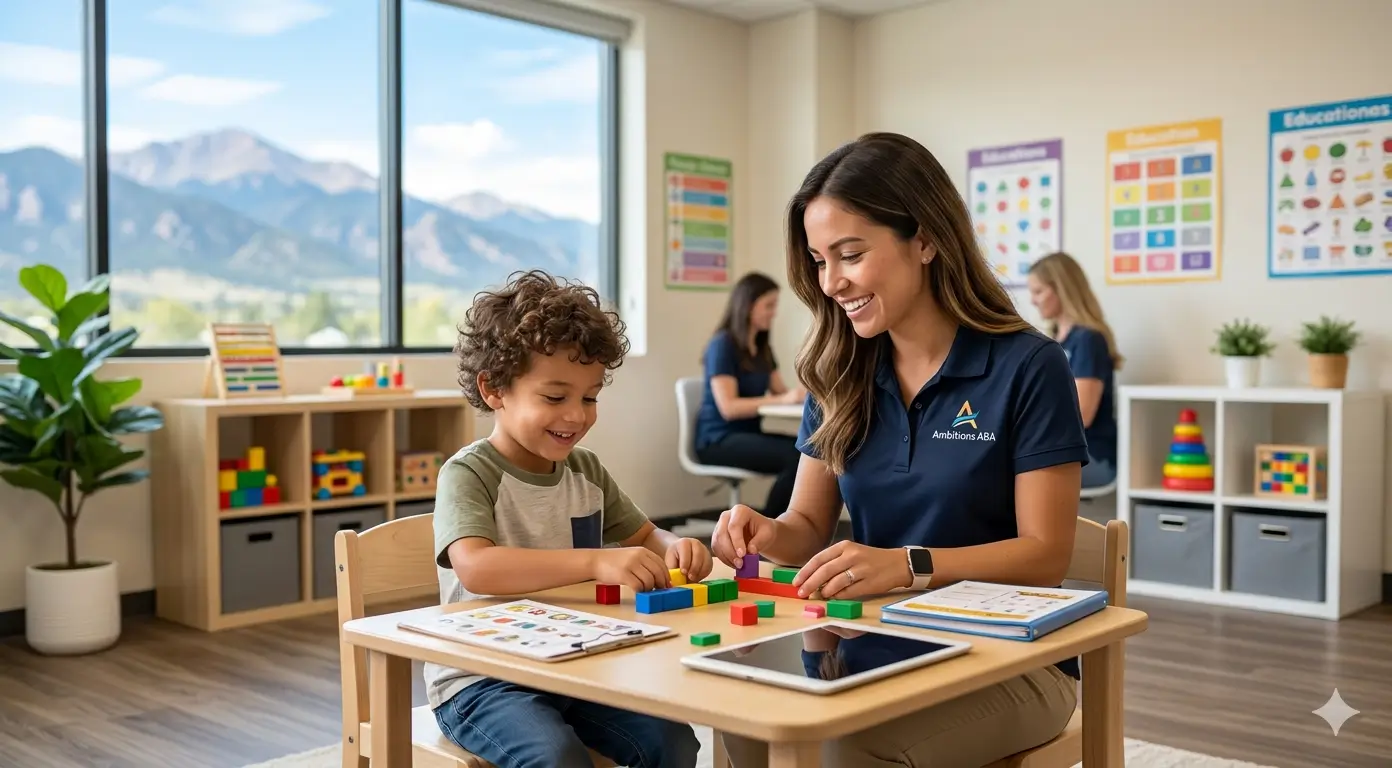
Understanding Self-Advocacy for Autistic Children
Self-advocacy is a critical skill that enables autistic children to understand their needs, communicate them effectively, and harness available supports to thrive. This article explores practical strategies, evidence-based therapies, and compassionate approaches that caregivers, educators, and therapists can employ to foster confident, independent self-advocacy in autistic children.
What is Self-Advocacy and Why Does it Matter for Autistic Children?
What is self-advocacy for autistic children?
Self-advocacy is the ability of individuals, including autistic children, to understand their own needs, communicate them effectively, and utilize available supports. For autistic children, this might involve asking for accommodations such as quiet spaces, headphones, or visual instructions to navigate their environments comfortably.
Why is self-advocacy important?
Self-advocacy plays a vital role in the daily lives and future independence of autistic children. It empowers them to share their needs confidently and seek support tailored to their unique experiences. This skill enhances their self-awareness and builds confidence, leading to greater independence across educational, social, and adaptive settings.
Examples of self-advocacy in action
Supporting self-advocacy involves three fundamental steps:
- Understanding personal needs
- Sharing those needs with others
- Utilizing resources to meet those needs
Practicing through scripts and role-playing can help children communicate their requirements effectively. Adults can aid by modeling self-advocacy, validating children’s needs, and celebrating their successes. Tools such as visual reminders, scripts, and experimenting with new strategies provide practical support.
Importantly, self-advocacy is not a behavior problem to fix but a lifelong skill to empower children to express and meet their needs meaningfully.
Building Blocks: The Three Key Steps of Supporting Self-Advocacy
Understanding personal needs
Self-advocacy starts with autistic children learning to recognize and understand their own needs. This self-awareness is crucial as it forms the foundation for expressing what helps them thrive. For example, a child might identify the need for a quiet space or visual instructions to better engage in activities.
Sharing needs with others
Once a child understands their needs, the next step is teaching them how to communicate these needs clearly. Practicing scripts and role-playing can effectively prepare children to express themselves. Adults can support this by modeling self-advocacy behaviors, validating their children's needs, and celebrating their progress.
Using resources and supports
The final step involves guiding children to utilize available accommodations and supports, such as headphones or communication devices. Personalized strategies, including visual reminders and experimenting with new approaches, help children to access resources that make their environments more supportive.
Together, these steps empower autistic children by moving beyond focusing on deficits. Instead, they emphasize enabling children to speak up, build confidence, and gain independence across different settings—from school to social situations.
Role of Adults: Modeling and Validating Self-Advocacy
How do adults model self-advocacy behaviors for children?
Adults play a crucial role in teaching self-advocacy by demonstrating how to recognize and communicate needs effectively. They serve as role models by openly expressing their own needs and showing respectful ways to ask for accommodations or assistance. This modeling helps children learn practical language and strategies, such as using scripts or requesting quiet spaces, which they can adapt to their own situations.
Why is validating children's needs important?
Validating children's needs reinforces their sense of self-worth and encourages them to continue expressing themselves. When adults acknowledge and respect a child's requests—whether for headphones, visual instructions, or breaks—it builds trust and affirms that the child’s feelings and experiences are legitimate. This validation combats feelings of shame or frustration and motivates children to advocate for themselves in various settings.
How do adults celebrate small successes in self-advocacy?
Celebrating small victories, such as a child successfully asking for a necessary accommodation or using a script accurately, helps build confidence and reinforces positive behavior. Adults can offer praise, encouragement, or even small rewards to emphasize these achievements. Recognizing progress in self-advocacy highlights it as a valuable and attainable skill, fostering independence over time.
Through modeling, validation, and celebration, adults create a supportive environment where children can develop and sharpen their self-advocacy skills— empowering them throughout their educational, social, and adaptive experiences.
Techniques to Enhance Communication of Needs: Scripts and Role-Playing

Practicing Communication Through Scripts
Using scripted dialogues allows autistic children to prepare for common situations where they need to express their needs. Scripts provide a structured format that can reduce anxiety and increase clarity. Children learn specific phrases to ask for accommodations like quiet spaces or visual aids, fostering greater independence.
Role-Playing Scenarios to Build Confidence
Role-playing exercises simulate real-life interactions, giving children a safe space to practice advocating for themselves. By acting out various scenarios, they become more comfortable sharing their needs with peers, teachers, or caregivers. Adults can guide these sessions, offering feedback and encouragement to reinforce effective communication.
Adaptations for Non-Verbal Communication
Self-advocacy approaches must be personalized to each child's communication style. For non-verbal children, techniques include using gestures, picture cards, or AAC (augmentative and alternative communication) devices during scripts and role-playing. This ensures all children can effectively convey their requirements and preferences.
Together, scripts and role-playing empower children to understand and articulate their individual needs while adapting communication methods to suit their abilities. Incorporating these techniques into daily routines promotes confidence and practical self-advocacy skills essential across home, school, and social settings.
Personalizing Approaches: Adapting to Each Child's Communication Style
Why Are Individualized Strategies Important?
Every autistic child has unique ways of understanding and expressing their needs. A one-size-fits-all approach to self-advocacy can overlook these differences and reduce the effectiveness of support. By tailoring strategies to each child's abilities and preferences, adults can empower children to communicate more comfortably and confidently. This personalized method respects the child's individuality and builds their self-awareness and independence.
Incorporating Non-Verbal Cues and AAC Devices
Not every child communicates through spoken language. Many use non-verbal signals such as gestures, facial expressions, or AAC (Augmentative and Alternative Communication) devices to express themselves. Recognizing and incorporating these communication styles is essential for effective self-advocacy. Adapting methods to include these cues ensures that children are not forced into inappropriate communication modes but are supported in the ways that feel most natural to them.
Using Visual Reminders and Trying New Methods
Visual tools like charts, scripts, or picture cards can reinforce a child's understanding of their needs and how to express them. Experimenting with different supports—such as role-playing scenarios or quiet spaces—can help discover what works best for an individual child. This trial-and-error approach lets children and caregivers find and refine strategies together, making self-advocacy an engaging and ongoing process rather than a fixed task.
By focusing on personalized strategies that acknowledge unique communication styles and incorporating visual and experimental supports, caregivers and educators can significantly enhance a child's ability to advocate for themselves across different environments.
Integrating Self-Regulation and Behavioral Strategies to Support Self-Advocacy
Teaching Self-Regulation Skills
Helping children with autism develop self-regulation skills is essential for effective self-advocacy. Self-regulation enables children to recognize and manage their emotions, which supports clearer communication of their needs. Programs like the Zones of Regulation curriculum provide structured ways for children to identify their emotional states and choose appropriate strategies to stay calm and focused.
Managing Meltdowns with Techniques Like S.C.A.R.E.D. and Zones of Regulation
When emotional overload leads to meltdowns, specific techniques can help children regain control. The S.C.A.R.E.D. Calming Technique guides children through steps to soothe themselves safely. Combined with the Zones of Regulation, these methods teach children how to detect early signs of distress and intervene proactively, reducing the intensity and frequency of meltdowns.
Promoting Positive Behavior Through Reinforcement
Supporting children’s positive behaviors is another vital aspect of fostering self-advocacy. Reinforcement strategies, often incorporated in caregiver training programs like the Kazdin Method, encourage the repetition of desired behaviors through positive feedback and rewards. This approach builds confidence and motivates children to express their needs constructively.
Integrating these self-regulation practices and behavioral supports creates a compassionate, evidence-based framework that empowers autistic children to advocate for themselves confidently and independently across different settings.
Applied Behavior Analysis (ABA) Therapy: Overview and Role in Autism
What is applied behavior analysis (ABA) therapy and how is it used for autism?
Applied Behavior Analysis (ABA) therapy is a scientifically validated approach focused on understanding and improving learning and behavior patterns, particularly among children with autism. ABA breaks down behavior into antecedents (what happens before), behaviors (the actions themselves), and consequences (what follows), commonly referred to as the A-B-C model. This framework guides therapists to identify triggers and outcomes to encourage positive behaviors.
ABA uses positive reinforcement methods, where desirable behaviors are rewarded to increase their frequency. This might involve praise, tokens, or other motivators tailored to each child. The programs are highly individualized, crafted by trained professionals like Board Certified Behavior Analysts (BCBAs) to address specific developmental goals. These can include communication, social interactions, academic skills, and self-care routines, with a simultaneous focus on reducing behaviors that may be harmful or interfere with learning.
ABA therapy is versatile and can be implemented in multiple settings. Common environments include the child’s home and school. Techniques vary widely — some programs use structured, repetitive exercises known as discrete trial training, while others incorporate play-based strategies, such as the Early Start Denver Model, which blends ABA principles within natural interactions to foster learning.
While ABA enjoys strong research support for improving cognitive, language, and social capabilities in autistic children, it has also been subject to debate. Critics often question certain ABA practices and emphasize the need for compassionate, individualized care that respects the child's autonomy and avoids solely focusing on 'deficits.' Nonetheless, when applied thoughtfully, ABA remains one of the primary evidence-based therapies supporting children with autism to develop vital skills and independence.
Credentials and Roles of ABA Therapy Providers
Who provides ABA therapy and what qualifications do they typically have?
ABA therapy is predominantly delivered by professionals known as Board Certified Behavior Analysts (BCBAs) and Registered Behavior Technicians (RBTs). BCBAs are highly trained experts who usually hold a master's degree in behavior analysis or a related field. Their preparation includes comprehensive coursework, supervised practical experience, and passing a rigorous certification exam administered by the Behavior Analyst Certification Board (BACB).
RBTs serve as trained caregivers or technicians and carry out therapy under a BCBA's supervision. They complete specific training programs and obtain certification to ensure they are equipped to implement ABA techniques effectively.
Both BCBAs and RBTs apply evidence-based strategies, including positive reinforcement and functional behavior assessments, tailoring individualized treatment plans to meet the unique developmental and behavioral needs of each child.
Importance of professional qualifications for ethical therapy
The credentials held by ABA therapy providers are essential not only for ensuring the quality and effectiveness of therapy but also for maintaining ethical standards. Continuous professional development and adherence to established guidelines safeguard the welfare of children receiving therapy and uphold trust with families.
Ensuring that ABA therapists are appropriately qualified supports the delivery of compassionate, individualized, and evidence-based interventions that respect each child's needs and promote meaningful progress.
Goals and Outcomes of ABA Therapy Within a Self-Advocacy Framework
What are the typical goals and expected outcomes of ABA therapy for individuals with autism?
ABA therapy primarily focuses on improving communication and social skills, increasing independence, and developing adaptive skills for individuals with autism. This includes fostering both verbal and non-verbal communication abilities, enhancing social interactions, and encouraging skills needed for daily living and self-care. ABA therapists work with personalized, measurable goals based on detailed assessments and regularly track progress to ensure effective support.
Improving communication and social skills
A major aim of ABA is to help individuals better express their needs and interact with others. This directly supports self-advocacy by empowering children to communicate what they want or require in various settings. Techniques such as practicing scripts and role-playing social scenarios help children effectively share their needs.
Increasing independence and adaptive skills
ABA builds skills for autonomy, teaching children how to manage everyday tasks and make choices confidently. Learning these skills contributes to independence not only in educational environments but also in social and adaptive contexts, which aligns closely with fostering self-advocacy.
Using ABA techniques to support self-advocacy development
Within a self-advocacy framework, ABA strategies include positive reinforcement to encourage desired behaviors and analyzing triggers to reduce challenging behaviors compassionately. Personalized supports—like visual reminders or communication aids—are integrated to help children recognize and express their needs. Emphasizing strengths and adapting approaches to each child's unique communication style, including non-verbal methods, enhances the therapy’s relevance.
Overall, ABA therapy aims to improve quality of life by equipping autistic individuals with functional skills. When combined with an emphasis on self-advocacy, these goals prioritize not only behavior change but also empowering children to understand themselves and effectively communicate their needs throughout their lives.
Building a Foundation for Lifelong Advocacy and Independence
Teaching self-advocacy to autistic children is an ongoing, individualized journey that blends understanding, communication, behavioral strategies, and compassionate support. By embracing personalized approaches and integrating evidence-based therapies like ABA, caregivers and professionals equip children with the confidence and skills to express their needs and thrive in diverse settings. This foundational skill not only enhances immediate quality of life but empowers autistic individuals to advocate for themselves throughout their lifespan, fostering independence, resilience, and inclusion.
References
- Helping autistic kids learn to self-advocate
- Partnership for Extraordinary Minds - Behavior Management
- Applied Behavior Analysis (ABA)
- ABA Therapy Goals: Key Objectives for Children with Autism
- ABA Therapy Goals: 25 Practical Examples & Timelines
- 5 Outstanding ABA Therapy Outcomes
- Who Qualifies for ABA Therapy: Eligibility Guide
- Applied Behavior Analysis (ABA)
- Qualifications of Behavior Service Providers
- Applied Behavior Analysis (ABA)